Canons Park Edgware waste collection tips for landlords
Posted on 07/10/2026
If you let property in Canons Park or nearby Edgware, waste has a way of becoming someone else's problem until it suddenly becomes yours. A missed collection, a cluttered rear alley, an awkward tenant move-out, or a pile of builder's bags by the front gate can turn into complaints fast. These Canons Park Edgware waste collection tips for landlords are here to make the whole thing simpler: less mess, fewer surprises, and a smoother day-to-day experience for you and your tenants.
Truth be told, most landlords do not need a lecture on rubbish. They need practical steps that work in real life. What should be in the tenancy paperwork? How do you reduce bin overflow in shared homes? When does a bulky item need proper removal rather than a hopeful shove into the nearest bin store? This guide covers the lot, with clear advice, local context, and sensible next steps.
Why Canons Park Edgware waste collection tips for landlords Matters
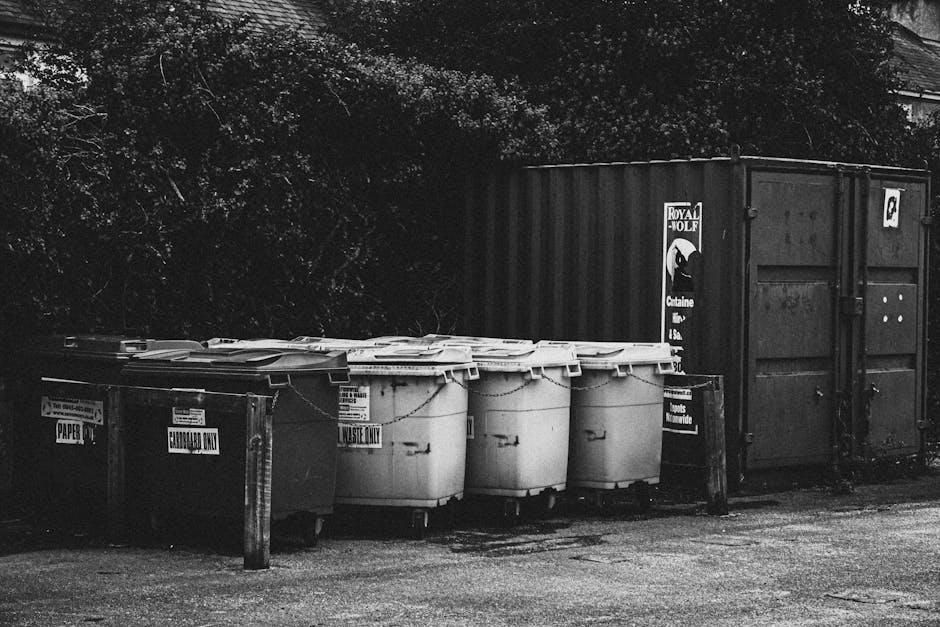
Waste management is one of those quiet property issues that becomes visible only when it goes wrong. In a place like Canons Park and Edgware, where you have a mix of flats, family homes, HMOs, conversions, and short turnover lets, rubbish can build up quickly if nobody is setting clear expectations. One overflowing bin can affect neighbours, attract pests, and create friction with tenants before you even know there is a problem.
For landlords, good waste collection habits are not just about cleanliness. They support tenant satisfaction, protect the property, reduce fly-tipping risk, and help keep common areas usable. If the bins are not managed well, you may end up fielding complaints about smells, blocked access, or bags left in hallways. And let's face it, nobody wants to be known as the landlord with the bin-store drama.
There is also a commercial side. Properties that feel well-managed tend to rent more smoothly. Prospective tenants notice tidy bin areas, clear instructions, and a building that does not feel neglected. It is a small detail, but it says a lot. In practical terms, waste discipline can save time, reduce callouts, and keep your maintenance spend under control.
Expert summary: The best waste systems for landlords are simple, visible, and repeatable. If tenants can understand what to do in ten seconds, they are much more likely to do it properly.
How Canons Park Edgware waste collection tips for landlords Works
The basics are straightforward: rubbish needs to be separated, stored, presented, and removed correctly. The challenge is that different properties create different waste patterns. A single flat may produce predictable domestic waste, while a shared house or managed block can generate mixed rubbish, food waste, packaging, and bulky items from move-ins and move-outs.
For landlords in Canons Park and Edgware, the process usually works best when you treat waste collection as part of the property's operating system, not an afterthought. That means deciding who is responsible for what, where the bins are kept, how often they are checked, and what happens when something too large for the normal collection turns up. The quieter you can make it for tenants, the better.
In our experience, the properties that run smoothly often have three things in common: clear bin storage, simple instructions, and a fallback plan for overflowing or bulky waste. You do not need a complex system. You need one that still works on a rainy Tuesday morning when someone has a sofa in the hall and says, "I thought it would be gone by now."
If you need broader property support, it can help to understand the full range of local services available through the services overview, especially when waste starts overlapping with clearance, recycling, or tenant changeovers.
Key Benefits and Practical Advantages
Strong waste collection habits do more than keep things tidy. They make property management less reactive. That alone is worth a lot. Here are the main benefits landlords usually notice once they get waste under control.
- Fewer tenant disputes: Clear instructions reduce arguments about whose rubbish is whose.
- Lower fly-tipping risk: Proper arrangements make it less likely that bags end up dumped beside the bins.
- Cleaner shared spaces: Hallways, bin stores, and rear access areas stay more usable.
- Better neighbour relations: Fewer odours, pests, and overfilled containers means fewer complaints.
- Less emergency spending: You are less likely to need urgent clearance when waste is managed routinely.
- Stronger tenant experience: A well-run property simply feels cared for.
There is another advantage that is easy to overlook. Good waste systems make end-of-tenancy work less painful. When tenants leave rubbish behind, you either inherit the clean-up or spend time arguing about deposits. Neither is much fun. With a better baseline, these issues tend to shrink.
If you handle regular clearances or mixed property waste, the domestic waste collection Edgware service can be useful when the normal household bins are not enough. For larger jobs, house clearance in Edgware is often a more practical route than trying to coordinate bits and pieces yourself.
Who This Is For and When It Makes Sense
This guide is for landlords, letting agents, property managers, and anyone responsible for a rental property in or around Canons Park and Edgware. It is especially useful if you manage:
- single lets with occasional tenant turnover
- shared houses or HMOs
- small blocks of flats
- properties with rear access, bin stores, or shared courtyards
- homes that often need bulky waste collection after moves
- rentals close to busy roads or mixed-use areas where rubbish becomes noticeable quickly
It also makes sense if you have already had one of those annoying little waste problems that starts small and keeps growing. A fridge left in the garden. Black bags beside the bins. Cardboard piling up after a move-in. These things rarely stay minor for long.
For landlords buying or repositioning property locally, waste planning becomes relevant much earlier than many people expect. If you are thinking about a new rental strategy in the area, you may also find it useful to read about how to buy property in Edgware and unlocking real estate opportunities in Edgware, because operational headaches often start before a tenant ever moves in.
Step-by-Step Guidance
If you want a waste system that actually works, keep it simple and build it in stages. Here is a practical approach that works well for most landlords.
1. Audit the property's waste setup
Start with the basics. How many bins are there? Where are they stored? Is access easy? Is there room for recycling as well as general waste? A quick look around the property will usually tell you whether the current setup is realistic or a bit of a mess, frankly.
2. Match the system to the tenancy type
A one-bedroom flat does not need the same arrangement as a six-person shared house. The more occupiers, the more important it becomes to define storage, collection days, and recycling habits. If the property has frequent tenant turnover, build in extra capacity for that transition period.
3. Put waste instructions in writing
Do not rely on verbal reminders. Put bin instructions in the welcome pack, the tenancy handbook, or even a simple one-page sheet. Include collection day reminders, what goes where, and where bulky waste should be left only when arranged. Short and plain English works best.
4. Label bins and storage areas
Labels solve more problems than people expect. If a property has multiple bins or shared waste areas, clear labels help tenants sort things correctly without having to guess. A little effort here saves a lot of muddle later.
5. Plan for move-outs and refurbishments
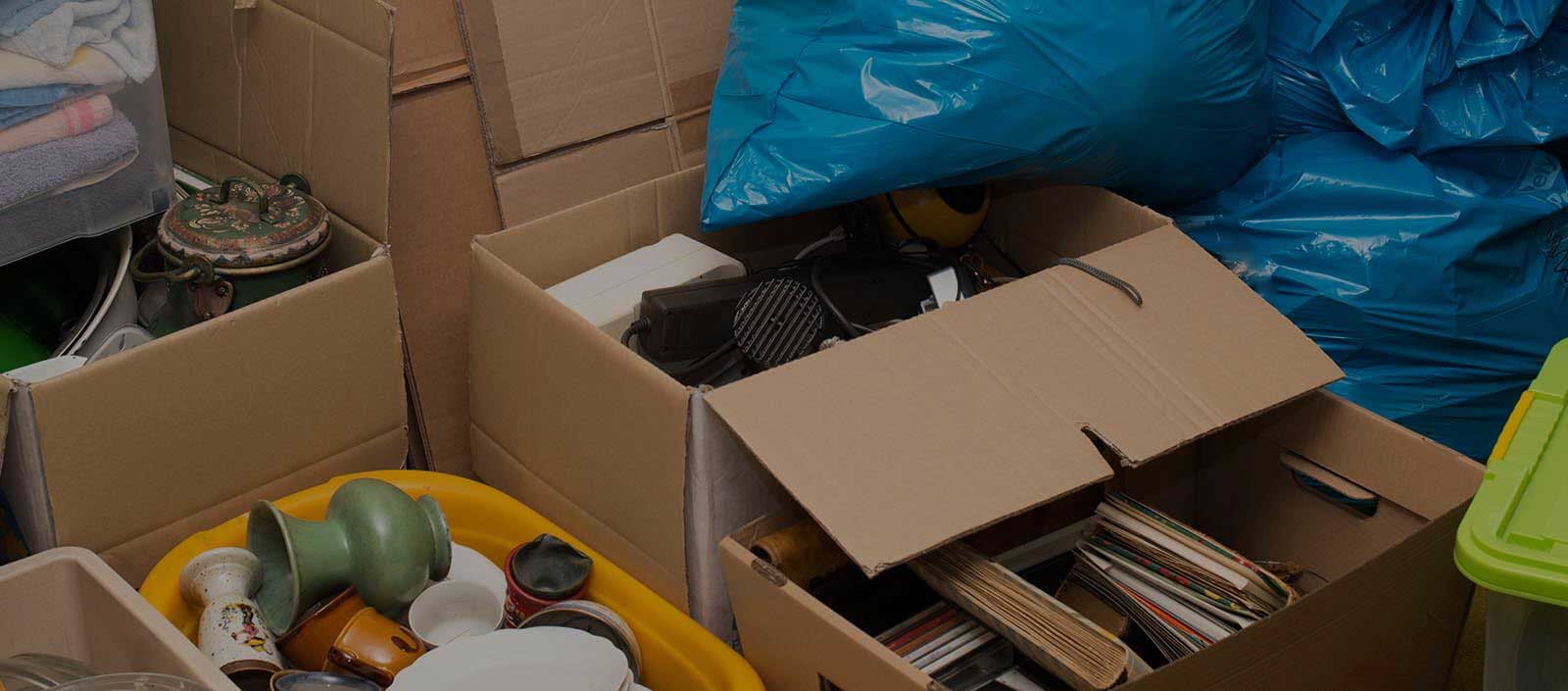
Vacant periods are when rubbish tends to appear. Old furniture, broken appliances, paint tins, packaging, and general debris can show up all at once. It is often smarter to book a proper clearance than to try to handle it piecemeal. For heavier items, furniture removal Edgware and appliance disposal in Edgware are usually better options than waiting for the next standard collection.
6. Set a check routine
A quick inspection every so often can prevent a small issue becoming a nasty one. In a managed building, even a five-minute bin-area check during a routine visit can catch problems early. You do not need to micromanage everything. You just need eyes on it before it turns into a pile.
7. Have an escalation plan
What happens if a tenant leaves rubbish in a communal area? What if a fridge is dumped in the wrong place? What if the bin store is full before collection day? Decide in advance whether you will warn, charge, arrange collection, or do a combination of all three. That clarity helps when things get busy.
Expert Tips for Better Results
A few small changes can make waste collection dramatically easier. These are the kind of details that experienced landlords tend to appreciate after a few hard lessons.
- Make the bin area obvious. If tenants have to wander round the back garden in the dark to find it, things will end up in the wrong place.
- Use photographs in your instructions. A picture of the correct bin set-up is often more helpful than a page of text.
- Keep a spare set of instructions for new arrivals. New tenants usually arrive with boxes, stress, and not much patience for detective work.
- Separate bulky waste from regular waste early. Once a sofa, mattress, or table appears, deal with it quickly before it becomes part of the scenery.
- Coordinate waste plans with cleaning and maintenance visits. A good tidy-up and a waste review at the same time saves effort.
One useful trick is to treat the end of a tenancy like a mini reset. Clear, clean, check the bins, and make sure the next tenant gets a clean start. It sounds obvious, but you would be surprised how often the rubbish is left to "the next person" and then nobody wants to touch it. Classic.
If you manage commercial or mixed-use assets nearby, the needs can shift a bit. For example, the pace of disposal may be different in shopfront or office settings, where packaging and out-of-hours waste can pile up quickly. In those cases, a commercial waste removal Edgware approach is usually more suitable than a domestic setup.

Common Mistakes to Avoid
Most waste problems are predictable. That is the good news. The bad news is that they are still easy to repeat if nobody is paying attention.
Leaving waste rules vague
If your tenancy says tenants should "dispose of rubbish properly" but nothing more, people will interpret that in wildly different ways. Be specific about collection days, bin types, and bulky items.
Assuming one-size-fits-all works
A property with two occupiers is not the same as a six-bed shared home. Overlooking that difference usually leads to overflow, complaints, and the odd passive-aggressive note in the hallway.
Ignoring bulky waste
Old furniture and appliances are the big troublemakers. They take up space, look awful, and often need specialist removal. Leaving them "for later" rarely helps.
Not checking communal areas regularly
If bins are shared, someone has to keep an eye on them. Not every week, necessarily, but regularly enough to spot patterns.
Forgetting the move-out period
End-of-tenancy clearances can be chaotic. People underestimate how much junk accumulates in cupboards, lofts, sheds, and corners. That is usually when hidden waste shows itself.
Using the wrong disposal route
Some items need proper handling, especially if they are large, awkward, or not suitable for normal household disposal. If you are unsure, check the item category before deciding where it goes. Safer to pause for five minutes than create a larger mess later.
Tools, Resources and Recommendations
Landlords do not need fancy systems, but a few simple tools help a lot. The aim is to reduce guesswork and keep waste handling consistent across every tenancy.
- Tenancy welcome sheet: include bin days, bin locations, and simple sorting instructions.
- Property inspection checklist: add a quick waste-area review to routine inspections.
- Photo record: take dated photos of bin areas and any waste left behind at check-in or check-out.
- Move-out checklist: remind tenants about furniture, appliances, and leftover packaging.
- Clear labelling: especially useful in HMOs or flats with shared storage.
For items like old sofas, broken wardrobes, or appliances that are past their best, it often helps to match the service to the material. The furniture disposal Edgware page is useful for household items that are too bulky for standard bins, while builders waste disposal Edgware is a better fit for renovation debris, rubble, and packaging from repairs or refurbishments.
Recycling is worth building into your property routine too. Even small changes, like making the recycling bins easier to access or adding a basic sorting reminder, can improve compliance. If sustainability matters to your tenants, you can also reinforce it through your own property management approach. There is a useful overview of that mindset in the site's recycling and sustainability information.
Law, Compliance, Standards, or Best Practice
Waste handling for landlords touches on a few areas of compliance and responsible practice. Without getting too legalistic, the key point is this: waste should not be stored, dumped, or moved in a way that creates nuisance, hazard, or confusion about who is responsible for it.
Landlords should be especially careful about what happens after tenants move out. If rubbish is left behind, it is usually safer to arrange removal promptly rather than leave it sitting in communal space or on the pavement. If you use a contractor, make sure they are operating properly and that you are comfortable with how the waste is handled. The site's waste carrier licence and compliance page is worth reviewing for the general expectations around lawful removal.
There is also a practical safety angle. Heavy items, sharp objects, broken glass, damp waste, and white goods can all create issues if they are handled badly. Property managers often underestimate the risks because "it is just rubbish." Well, sometimes it is not just rubbish. A mattress stuffed with broken springs is still awkward at best. At worst, it is a lift-damage claim waiting to happen.
Best practice usually means:
- keeping waste in designated areas only
- avoiding blocked exits, stairwells, and shared access routes
- making sure waste is collected regularly enough for the property type
- using sensible contractors for bulky or specialist items
- documenting clear responsibility in the tenancy agreement where appropriate
If you also care about tenant safety, contractor standards, and property protection, it may help to review the site's insurance and safety guidance alongside your waste procedures. It is one of those unglamorous admin jobs that pays back later.
Options, Methods, or Comparison Table
Landlords in Canons Park and Edgware usually end up choosing between a few waste-handling approaches. The right one depends on the property type, the amount of waste, and how hands-on you want to be.
| Method | Best for | Advantages | Watch-outs |
|---|---|---|---|
| Standard bin collection | Routine household waste in stable tenancies | Simple, low effort, familiar to tenants | Can overflow in shared homes or during move-outs |
| Planned bulky waste removal | Furniture, mattresses, white goods, and end-of-tenancy clear-outs | Reduces clutter quickly, better for larger items | Needs scheduling and clear item lists |
| Full house clearance | Vacant properties or major tenant changeovers | Fast reset, good for inherited mess | Usually more involved than a simple collection |
| Targeted specialist clearance | Builders waste, mixed debris, or awkward waste streams | More appropriate for specific material types | Needs correct identification of the waste type |
For a landlord who wants the least drama, the best option is often a mix: routine bins for daily life, then a planned collection when the property changes hands or a bulky item appears. If you are comparing solutions, start by asking one question: what waste is actually being generated here, and how often?
Case Study or Real-World Example
A small landlord with a two-storey rental in Edgware inherited a familiar problem after a tenancy ended: a hallway full of cardboard, a broken wardrobe in the garden, and two black bags that had been left beside an already full bin store. Nothing dramatic on its own, but enough to make the place look tired and poorly managed.
Instead of waiting for the next collection and hoping for the best, the landlord took a simple approach. They photographed the waste, separated what could be recycled, arranged removal for the wardrobe, and reset the bin area before the next tenant moved in. They also added a one-page waste guide to the welcome pack with collection days and a note about bulky items.
The result was not glamorous. No heroic transformation soundtrack. But the property was cleaner, the next inspection was calmer, and the new tenant started with clear expectations. That is often how good waste management looks in real life: a few practical decisions, taken early, preventing a bigger headache later.
For move-out situations like that, properties sometimes also need broader clearance support. Services such as loft clearance Edgware can be useful when waste is tucked away in storage spaces and only becomes obvious at the worst possible moment.
Practical Checklist
Use this quick checklist before a new tenancy, after an inspection, or during a move-out.
- Confirm where bins are stored and whether access is easy.
- Check there is enough bin capacity for the number of occupiers.
- Label bins clearly for refuse, recycling, and any special streams.
- Put collection days in writing for tenants.
- Explain what to do with bulky items before they appear.
- Inspect bin stores, rear access, and shared areas regularly.
- Photograph any waste left behind at check-out.
- Arrange prompt removal of furniture, appliances, or renovation debris.
- Review contractor compliance if you use third-party removal services.
- Refresh the instructions if the tenancy type changes.
Quick rule of thumb: if it takes more than a minute for a tenant to understand the waste system, simplify it. That small fix saves a lot of friction.
Conclusion
Good waste management is not the flashiest part of being a landlord, but it is one of the most quietly valuable. In Canons Park and Edgware, where different property types can create very different rubbish patterns, a little planning goes a long way. Clear rules, sensible collection routines, and prompt action on bulky items can keep your property cleaner, reduce complaints, and make day-to-day management feel less like firefighting.
If you remember only one thing from these Canons Park Edgware waste collection tips for landlords, make it this: keep the process simple enough that tenants can follow it, and structured enough that you are never improvising when the bins are full. That balance is the sweet spot.
Get a free quote today and see how much you can save.
And if you are still refining your property workflow, start small. A better bin label here, a clearer instruction there. Over time, those little decisions add up, and the whole place just feels easier to manage.